How to Choose Between Pilates and Yoga for Your Weight Loss Needs
Understanding Pilates and Yoga
Pilates and yoga are both popular fitness practices with roots in the early 20th century and ancient India, respectively. While they share some commonalities, such as a focus on body awareness and breath control, they differ significantly in technique, intensity, and their approach to physical wellness. For individuals seeking weight loss, understanding these differences is crucial to choosing the most suitable workout regimen.
The Basics of Pilates
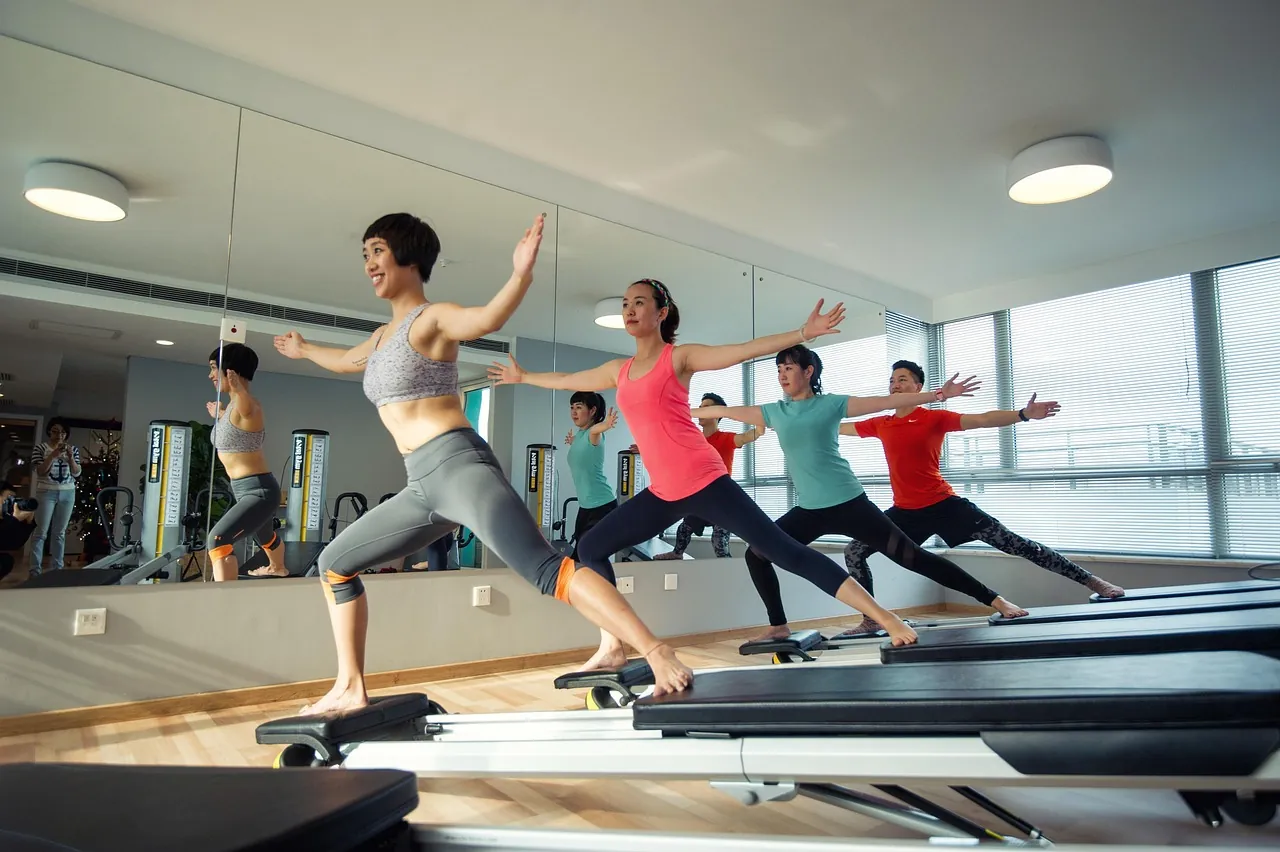
Pilates, developed by Joseph Pilates, emphasizes core strength, flexibility, and overall body conditioning. This form of exercise often employs specialized equipment like reformer machines but can also be done on a mat using body weight for resistance.
- Core Focus: Pilates workouts center around strengthening the core muscles, which can lead to better posture and a leaner appearance.
- Controlled Movements: Each movement in Pilates is performed with precision, enhancing muscle tone and endurance.
- Flexibility and Balance: Pilates incorporates dynamic stretches that improve flexibility and promote balance.
The Essence of Yoga
Yoga, a practice with centuries of tradition, combines physical postures (asanas), breathing techniques (pranayama), and meditation. There are various styles of yoga, from the vigorous Ashtanga and Vinyasa to the more meditative Hatha and Yin Yoga.
- Mind-Body Connection: Yoga emphasizes harmony between mind and body through breathwork and meditation.
- Diverse Styles: Different styles of yoga cater to different needs—some are more physically demanding while others focus on relaxation and mindfulness.
- Increased Flexibility: Regular practice enhances flexibility, which can aid in weight loss by allowing a greater range of motion in other exercises.
Pilates vs. Yoga: Which is Better for Weight Loss?
When it comes to weight loss, the effectiveness of Pilates or yoga largely depends on the style practiced and personal preferences. Here's a deeper dive into how each discipline may aid in shedding those extra pounds.
Weight Loss with Pilates
Pilates can be particularly effective for weight loss if approached with the right mindset and consistency.
- Calorie Burn: An hour-long session of advanced Pilates can burn up to 450 calories, making it a moderate-intensity workout option.
- Core Strength: Strengthening your core can lead to improved metabolism as muscles burn more calories than fat, even at rest.
- Injury Prevention: The focus on controlled movements reduces injury risk, enabling consistent workouts that contribute to calorie burning.
Pilates is ideal for individuals who are looking for a low-impact workout that still provides significant muscle engagement. It’s particularly beneficial for those recovering from injuries or with joint concerns.
Yoga for Weight Loss
Yoga's role in weight loss is multi-faceted. While not all types of yoga are calorie-burning powerhouses, they offer other benefits that contribute to an overall healthy lifestyle conducive to weight management.
- Metabolic Boost: More dynamic forms like Vinyasa or Ashtanga can elevate heart rate and boost metabolism.
- Stress Reduction: Through mindfulness and meditation, yoga reduces stress levels, which can help prevent emotional eating.
- Hormonal Balance: Yoga supports endocrine function, helping to balance hormones that regulate hunger and energy use.
Yoga is well-suited for individuals seeking a holistic approach to weight loss that involves not just physical activity but mental and emotional wellness as well. It's especially beneficial for those dealing with high stress levels or looking to improve overall flexibility.
Choosing the Right Practice for You
Your choice between Pilates and yoga should align with your personal fitness goals, current fitness level, and any physical limitations you might have. Here are some guidelines to help you decide:
Consider Your Goals
- If your primary goal is weight loss through calorie burning, opt for more dynamic styles like Vinyasa Yoga or advanced Pilates sessions.
- If you seek strength building, especially core strength, Pilates might be the better choice.
- If you need stress reduction, improved mental health, or greater flexibility, yoga offers comprehensive benefits.
Assess Your Fitness Level
- Beginners may find entry-level classes in both disciplines accessible but should consider their physical condition. Mat-based Pilates or Hatha Yoga are great starting points.
- If you have pre-existing injuries or conditions, consult with a healthcare provider. Both Pilates and yoga instructors can tailor sessions to accommodate these needs.
Scheduling and Accessibility
Your choice may also be influenced by factors such as class availability and personal preference for group versus solo activities.
- Pilates classes, especially those involving equipment, may be less flexible in timing but offer structured environments.
- Yoga classes are widely available with options ranging from studio sessions to online platforms, providing more convenience for fitting into busy schedules.
The Verdict: Blending Both Practices
If you're still undecided between Pilates and yoga, why not combine them? Integrating both practices into your routine can provide balanced benefits. For example:
- Start the week with an energizing Pilates session focused on core strength and muscular endurance.
- Midweek could involve a Vinyasa yoga class that builds cardiovascular health while maintaining flexibility.
- End the week with a calming Yin or Hatha yoga session, allowing your body to recover while focusing on deep stretching and relaxation.
This blend ensures that you gain the muscle-toning benefits of Pilates along with the stress-reducing properties of yoga. Remember, consistency is key in any fitness journey aimed at weight loss. Make sure whatever practice you choose is something you enjoy enough to maintain regularly.