Step-by-Step Guide to Using Smart Scales in Weight Reduction
The Role of Smart Scales in Modern Weight Loss
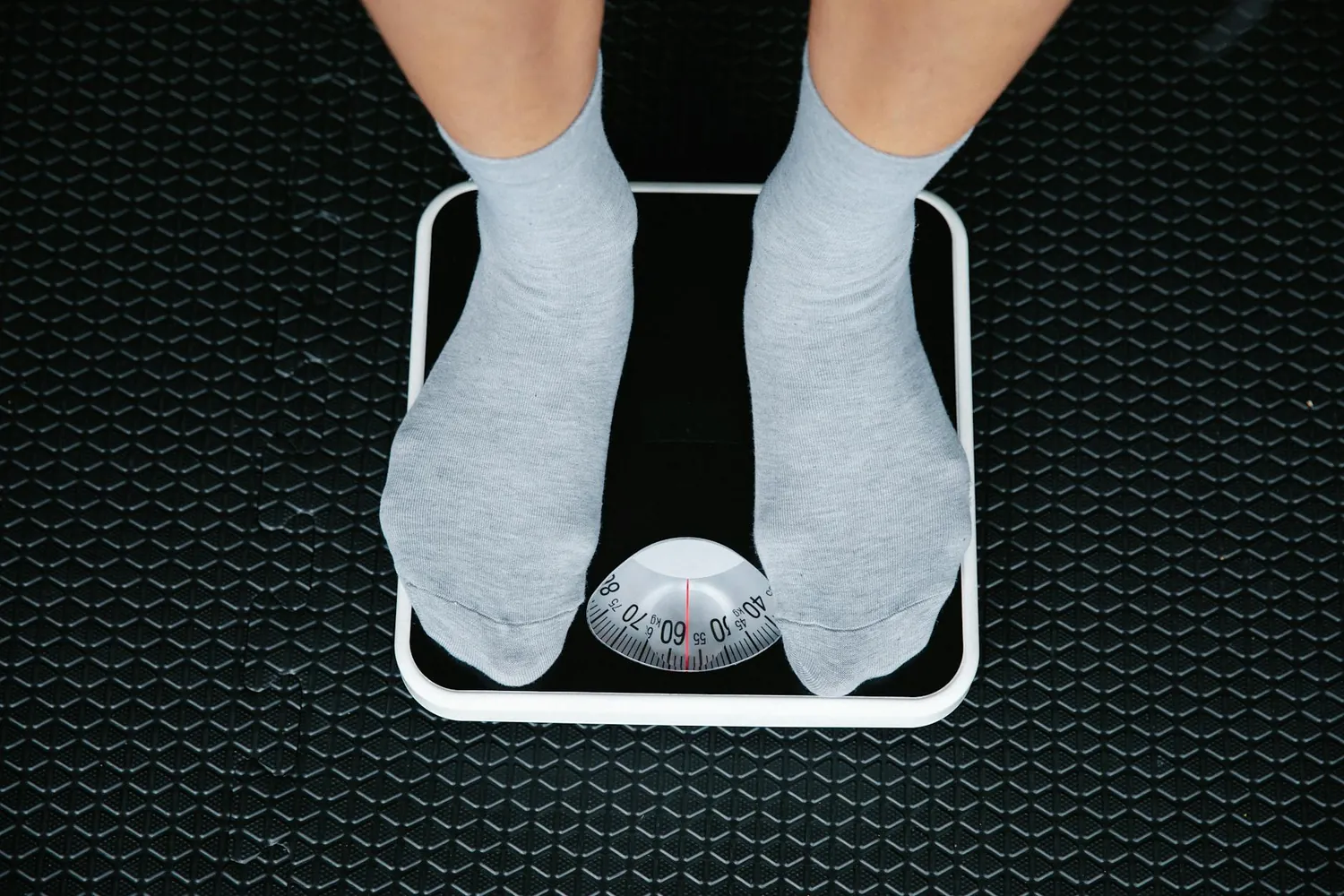
Smart scales have revolutionized the way individuals approach weight management. These devices provide more than just a measure of your weight—they offer insights into body composition metrics such as body fat percentage, muscle mass, and bone density. By connecting to smartphone apps, they deliver real-time data that can guide dietary and exercise decisions.
For those embarking on a weight loss journey, understanding the full scope of your body composition is crucial. It allows you to set realistic goals, monitor progress beyond just weight loss, and tailor strategies to enhance results.
Understanding Body Composition Metrics
Before diving into the specifics of using smart scales, it’s important to understand the metrics they typically track:
- Weight: The basic metric; it gives an overview but doesn’t tell the whole story.
- Body Fat Percentage: Indicates the proportion of your weight that comes from fat. High levels can be associated with increased health risks.
- Muscle Mass: More muscle can increase metabolism and support healthy weight loss.
- Bone Density: Important for overall health, especially in older adults.
- BMI (Body Mass Index): A generalized indicator of body fat based on height and weight, though it doesn’t account for muscle mass or distribution.
By using these metrics, users can track changes over time and make informed decisions about their lifestyle adjustments.
Choosing the Right Smart Scale
Not all smart scales are created equal. When selecting one, consider these factors:
- Compatibility: Ensure the scale is compatible with your smartphone's operating system (iOS or Android) and integrates seamlessly with health and fitness apps like Apple Health, Google Fit, or Fitbit.
- Metrics Offered: Some scales offer more detailed body composition data than others. Choose one that provides all the metrics you’re interested in tracking.
- User Profiles: If multiple people will use the scale, select one that supports multiple user profiles.
- Accuracy and Reliability: Check reviews and brand reputation to ensure the scale provides consistent and accurate readings.
Popular Models to Consider
Some popular smart scales include:
- Withings Body+: Known for its comprehensive metrics and integration capabilities.
- Eufy Smart Scale P1: Offers a budget-friendly option without sacrificing essential features.
- Tanita RD-953: Provides advanced analysis with a focus on accuracy.
Setting Up Your Smart Scale for Success
The initial setup of your smart scale is critical for accurate data collection. Follow these steps for optimal results:
1. Positioning Your Scale
Place the scale on a hard, flat surface. Carpeted floors can interfere with accuracy. Ideally, use the scale at the same time each day—morning is best—to minimize natural weight fluctuations due to meals or fluid intake.
2. Connecting to Your Smartphone
Download the manufacturer's app on your smartphone. Pair your device with the scale via Bluetooth or Wi-Fi following the app's instructions. This connection is crucial for syncing data across devices and analyzing trends over time.
3. Creating a User Profile
Input personal information such as age, height, gender, and activity level into the app. This data helps refine body composition calculations and improve the accuracy of your results.
Interpreting Data: What Do Your Measurements Mean?
The interpretation of data from smart scales can provide valuable insights into your weight loss journey. Here's how to understand the numbers:
Body Fat Percentage vs. Muscle Mass
If your body fat percentage decreases while muscle mass increases, this is typically a positive indicator of fat loss coupled with muscle gain—a common goal in weight reduction strategies.
An increase in muscle mass may result in weight remaining stable or even increasing slightly, which might seem counterintuitive if you're focusing solely on weight loss. However, muscle is denser than fat, meaning it takes up less space in the body.
Setting Realistic Goals
Aim for a gradual body fat reduction of 0.5% to 1% per month to ensure sustainable and healthy progress. Sudden drops can indicate muscle loss or dehydration rather than true fat loss.
Leveraging App Features for Enhanced Tracking
The companion apps for smart scales are powerful tools that extend beyond simple data tracking. Here are some features to exploit:
Goal Setting and Progress Tracking
The apps allow you to set specific goals such as lowering body fat percentage by a certain amount within a timeframe or reaching a target weight. Use visual graphs to monitor trends and stay motivated by celebrating milestones along the way.
Nutritional Insights
Many apps offer nutritional advice based on your measurements, suggesting dietary changes to improve health metrics. Integrating food tracking can give a comprehensive view of calorie intake versus expenditure.
Activity Integration
If you’re using other fitness apps or wearables, check if they integrate with your scale’s app. This holistic view can reveal correlations between physical activity levels and changes in body composition metrics.
Troubleshooting Common Issues
If you encounter any issues with your smart scale, here are some common troubleshooting tips:
- Inaccurate Readings: Make sure you calibrate the scale regularly by stepping on and off before taking measurements. Also, ensure batteries are charged and connections are stable.
- Syncing Problems: Verify Bluetooth or Wi-Fi settings are enabled on both the scale and smartphone. Sometimes reinstalling the app or restarting devices resolves connectivity issues.
Maximizing Your Results: Combining Smart Scales with Lifestyle Changes
The real power of smart scales lies in combining their insights with actionable lifestyle changes. Here’s how to make that happen:
Create a Balanced Diet Plan
Your diet should be rich in whole foods, including lean proteins, complex carbohydrates, healthy fats, fruits, and vegetables. Monitoring how dietary changes affect your body composition can inform necessary adjustments.
Regular Exercise Routine
Aim for a mix of cardiovascular exercises and strength training to maximize fat loss while preserving muscle mass. Track how different workouts influence your metrics over time.
Mental Health Considerations
The psychological aspect of weight loss should not be underestimated. Setbacks are natural; focus on long-term trends rather than daily fluctuations. Smart scales provide data that can reassure steady progress despite short-term challenges.
The Future of Smart Scales in Weight Management
As technology evolves, so too will the capabilities of smart scales. Anticipate more integration with wearables and AI-driven insights providing even deeper personalization and guidance based on broader health metrics beyond just body composition.
The ultimate goal is to empower users to make informed decisions that promote a healthier lifestyle overall. By fully utilizing smart scales today, you set the stage for continued success in your weight reduction journey tomorrow.