
Incorporating Fitness Trackers into a Sustainable Weight Loss Routine
Understanding the Role of Fitness Trackers in Weight Loss
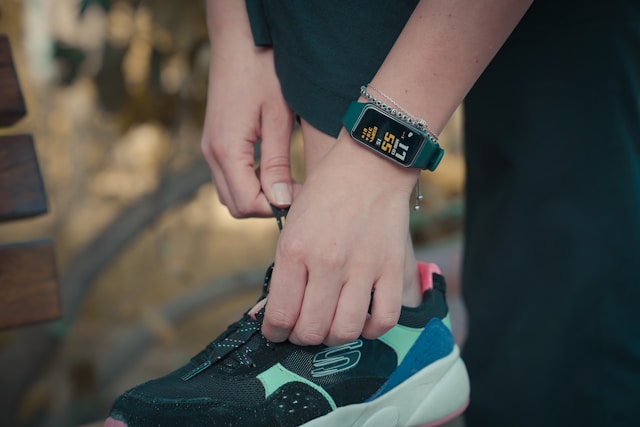
Fitness trackers have become ubiquitous, serving as daily reminders of our activity levels and helping us stay accountable. These devices not only record steps but can also monitor heart rate, calories burned, and sleep patterns. For those aiming for weight loss, they provide an easy way to measure daily activity and set achievable goals. However, their efficacy is highly dependent on how consistently and accurately users engage with them.
Setting Specific Metrics
Before diving into data collection, it’s essential to identify what metrics will be most beneficial for your weight loss journey. Most fitness trackers can measure a variety of data points:
- Step count: A classic measure for daily activity. Aim for a minimum of 7,000 steps per day, although some may target 10,000 depending on personal health goals.
- Calorie expenditure: The number of calories burned throughout the day, which should be balanced against caloric intake for weight management.
- Active minutes: Time spent engaged in moderate to vigorous activity is crucial for cardiovascular health and weight loss.
- Heart rate: Monitoring resting and active heart rates can help optimize workout intensity.
For effective use, focus on a couple of key metrics at the beginning to avoid overwhelm. Adjust these goals as you gain more confidence and insight into your progress.
Regular Data Updates: Consistency Is Key
The next step is to ensure that your data remains accurate and up-to-date. This involves syncing your device regularly with its app interface. Automatic syncing occurs in most devices; however, manual checks ensure that no data is missed or duplicated.
The Importance of Routine
Build a daily routine around your fitness tracker use. For example, check your progress at three key points during the day: after waking up to plan your activities, midday to assess mid-point progress, and before sleeping to review the day’s achievements.
This routine not only keeps you aware but also serves as a motivational tool. Seeing real-time data can inspire you to meet remaining goals, such as a quick evening walk if your step count is lacking.
Analyzing Trends: A Pathway to Insights
The accumulation of data is only part of the equation; understanding it makes all the difference. Most tracker apps offer trend analysis through graphs and charts, showing progress over days, weeks, or even months. Use these trends to:
- Identify patterns: Recognize days or periods where activity peaks or troughs occur. This may highlight when you're naturally more active or need more motivation.
- Adjust goals: Trends can inform goal adjustments. If consistently meeting your step goal, consider increasing it gradually.
- Monitor health indicators: Correlate changes in weight with activity levels to better understand how exercise affects body composition.
A practical example could be observing a trend where weekends show lower activity levels. In response, you might plan outdoor activities or social events centered around movement to counteract this pattern.
Calorie Tracking: Balancing Input with Output
While fitness trackers are great for monitoring physical activity, coupling them with calorie tracking apps offers comprehensive insight into weight loss efforts. By logging meals alongside activities, users can better understand their energy balance — the relationship between calories consumed and burned.
The Right Tools
Select a calorie tracking app that integrates smoothly with your fitness tracker for seamless data flow. Many apps allow barcode scanning for easy meal logging and provide extensive databases for meal planning. Fitbit and MyFitnessPal are examples of platforms offering strong integration features.
Create a habit of logging food immediately after meals to prevent forgetfulness and ensure accuracy. Use portion control aids or kitchen scales for more precise logging if needed.
Accountability: Building Habits with Social Features
The social aspect of fitness trackers can significantly enhance accountability. Many devices allow sharing achievements or challenges with friends or within virtual communities, encouraging friendly competition or collaborative support.
Joining Challenges
Participating in step challenges or group goals can boost motivation. Whether it's a workgroup setting daily step competitions or a friend inviting you to a virtual marathon, these elements add fun and foster a sense of community.
If competitive challenges aren’t appealing, simply sharing progress with a trusted friend can provide enough encouragement. Establishing regular check-ins where you discuss successes and setbacks creates accountability outside of digital platforms alone.
Personalization: Tailoring Your Approach
No single method fits everyone when it comes to using fitness trackers effectively for weight loss. Personal preferences and lifestyle factors will influence how individuals interact with these tools. Some may prefer detailed data logging and analysis, while others find success through simplicity and basic goal setting.
Adaptability
Your needs may change over time as you advance in your weight loss journey. Continually reassess what aspects of tracking are most beneficial or possibly hindering progress. Being adaptable ensures long-term sustainability in your approach.
The Trade-offs: Limitations of Fitness Trackers
Despite their advantages, fitness trackers have limitations:
- Data accuracy: While improving, fitness trackers can sometimes inaccurately record steps or calories burned due to variations in individual stride length or heart rate fluctuations.
- User dependency: Reliance on technology can lead to ignoring intuitive body cues such as hunger or fatigue if data becomes an obsession rather than a guide.
The key lies in using fitness trackers as part of a balanced approach that includes listening to your body and adjusting based on both numerical data and personal experiences.
Conclusion: Integrating Technology for Lasting Change
Incorporating fitness trackers into a sustainable weight loss routine offers structure and insight that can lead to significant results when used thoughtfully. By selecting specific metrics, maintaining consistent data updates, analyzing trends, balancing calorie intake with expenditure, embracing accountability through social features, and personalizing the experience, users can harness these devices effectively.
The ultimate aim is not just temporary weight loss but creating lasting habits that support a healthy lifestyle. By understanding the limitations and benefits of fitness trackers, users can set realistic goals and develop strategies that are both empowering and transformative.