Investigating the Regulatory Issues with Weight Loss Supplements
The Expanding Market for Weight Loss Supplements
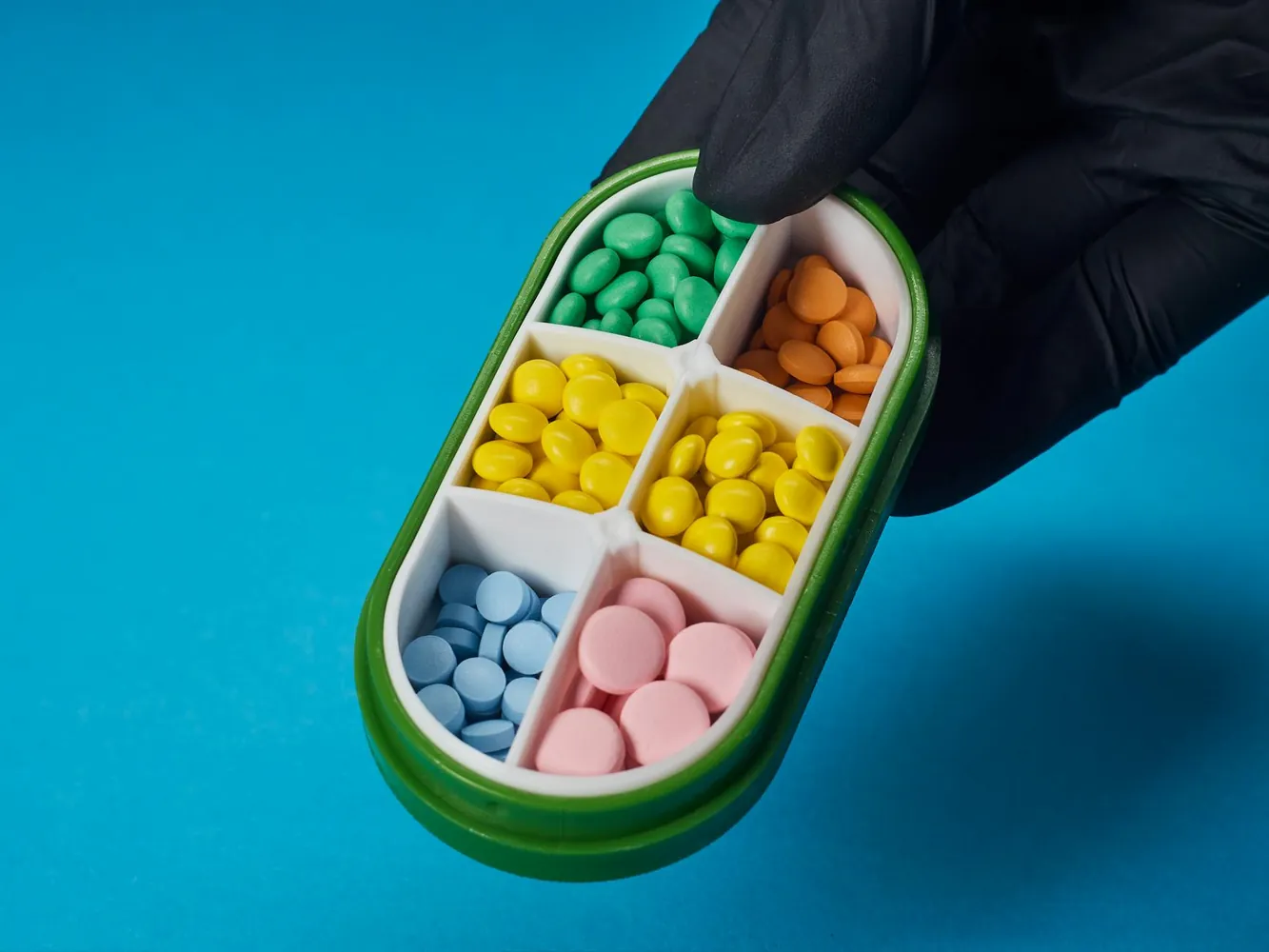
Weight loss supplements have become a booming industry, fueled by the increasing global focus on health and fitness. In 2022, the global weight loss and diet management market was valued at approximately $254 billion, with supplements accounting for a significant portion of this figure. Their popularity is driven by the promise of quick results, convenience, and the appealing notion of enhancing the body’s natural fat-burning capabilities.
Despite their widespread use, the safety and regulation of these supplements remain contentious issues. The efficacy of weight loss supplements is often based on minimal scientific evidence, and their ingredients can vary widely in terms of safety profiles.
Understanding Regulatory Challenges
The regulatory landscape for dietary supplements, including those for weight loss, is complex. In the United States, the Food and Drug Administration (FDA) categorizes dietary supplements differently from pharmaceuticals. This means that supplements are not required to undergo the rigorous testing and approval processes that apply to prescription drugs.
Regulatory Oversight: The FDA does require that manufacturers ensure the safety of their products and that their labeling is truthful and not misleading. However, the lack of pre-market approval means that unsafe products can slip through the cracks until reports of adverse effects necessitate a recall or investigation.
- Case Study: In 2015, a weight loss supplement containing a compound called DMBA, similar to amphetamines, was pulled from the market after it was linked to cases of heart attacks and strokes.
- Supplements with dubious claims often exploit this regulatory gray area by marketing themselves as "natural" or "herbal," terms that consumers often associate with safety.
The Role of the Dietary Supplement Health and Education Act (DSHEA)
The DSHEA of 1994 allows dietary supplements to be marketed without prior approval from the FDA. Manufacturers are responsible for ensuring that their products are safe before they reach consumers. However, enforcement mainly occurs post-marketing through monitoring adverse event reports.
This legislative framework places a heavy burden on consumers to perform due diligence when selecting products. Third-party certifications from organizations like NSF International or USP can provide some assurance, but awareness of these options remains limited among general consumers.
Safety Profiles of Common Ingredients
Ingredients commonly found in weight loss supplements range from well-researched compounds to exotic herbs with little scientific backing. Understanding these ingredients is key to evaluating their safety and efficacy.
Green Tea Extract
Green tea extract is a popular ingredient credited with enhancing metabolism and fat oxidation. While it is generally considered safe, high doses can lead to adverse effects such as liver toxicity.
- A meta-analysis published in 2020 concluded that while green tea extract can lead to modest weight loss (around 1-2 kg over several months), it also carries risks if consumed excessively.
Caffeine
Caffeine is another common component known for its ability to enhance energy expenditure. While effective in moderation, excessive intake can lead to side effects such as insomnia, jitteriness, and increased heart rate.
Garcinia Cambogia
Garcinia Cambogia is promoted for its hydroxycitric acid content, purported to block fat production. Despite its popularity, several studies have highlighted its limited effectiveness in achieving significant weight loss.
- A randomized trial in 2018 found no statistically significant difference in weight loss between Garcinia Cambogia users and a placebo group over a 12-week period.
Adverse Effects and Consumer Protection
The adverse effects associated with some weight loss supplements raise significant concerns about consumer safety. Reports of serious health issues emphasize the need for improved regulatory practices and consumer education.
Case Study: Ephedra
Ephedra was once a common ingredient in weight loss supplements due to its potent thermogenic effects. However, its association with heart problems and strokes led to an FDA ban in 2004. Despite this, ephedra illustrates the potential dangers of insufficient regulation in pre-market stages.
Steps Consumers Can Take
To protect themselves, consumers should:
- Consult healthcare professionals before starting any supplement regimen.
- Research ingredients using reliable sources such as NIH's Office of Dietary Supplements or FDA warnings.
- Check for third-party certifications that indicate rigorous quality testing.
Future Directions for Regulation
Enhancing the regulatory framework surrounding dietary supplements could involve several key strategies:
Increased Pre-Market Evaluation
The introduction of more stringent pre-market evaluations could help ensure that only safe products reach consumers. This would necessitate amendments to current legislation but could significantly reduce instances of adverse effects related to untested compounds.
Enhanced Post-Market Surveillance
Strengthening systems for reporting and responding to adverse events would also improve safety. Encouraging healthcare professionals to report incidents could lead to faster identification of hazardous products.
Conclusion: Navigating the Complex Landscape
The challenges surrounding the regulation and safety of weight loss supplements highlight the need for greater transparency and accountability within the industry. By understanding common ingredients and leveraging available resources for informed decision-making, consumers can better navigate this complex landscape while minimizing risks associated with these widely-used products.