Investigating Caffeine's Potential in Enhancing Weight Loss Supplement Results
Understanding Caffeine's Role in Weight Loss
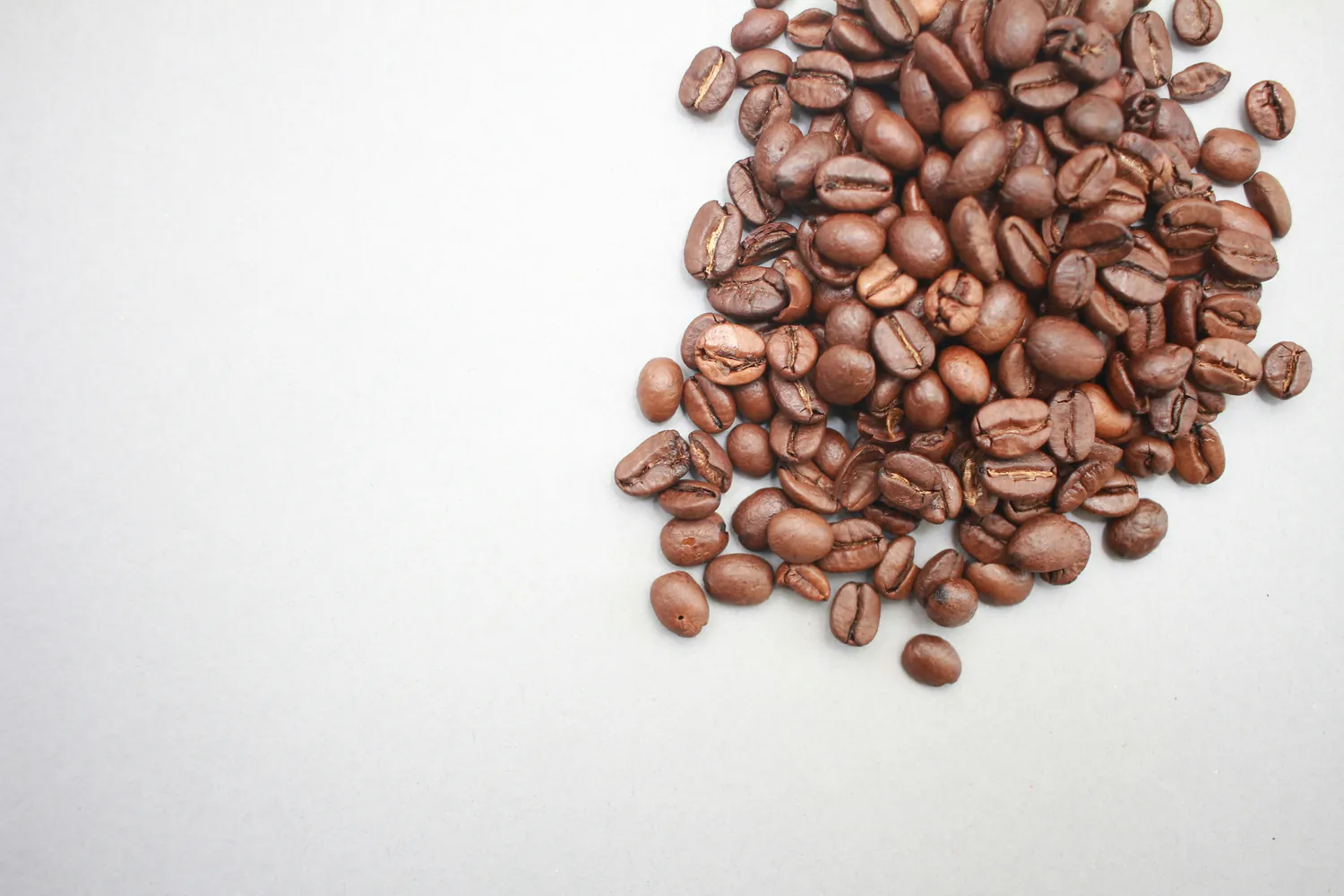
Caffeine is a natural stimulant commonly found in coffee, tea, and various energy drinks. It's renowned for its ability to enhance alertness and concentration, but its role in weight loss, particularly when used in supplements, is less understood by the general public. This article aims to shed light on how caffeine can aid fat burning and suppress appetite, amplifying the effects of other weight loss supplements.
The Science Behind Caffeine and Fat Burning
When consumed, caffeine quickly enters the bloodstream and travels to the brain, where it blocks the inhibitory neurotransmitter adenosine. This action increases the firing of neurons and the release of neurotransmitters like dopamine and norepinephrine, keeping us alert. But caffeine also affects the body's metabolism, which is where its weight loss benefits come into play.
Caffeine stimulates the nervous system, sending signals to fat cells to break down body fat. Additionally, it increases the blood levels of the hormone epinephrine (adrenaline), which travels through your blood to fat tissues, signaling them to break down fats and release them into your blood.
Caffeine and Appetite Suppression
Caffeine's potential to reduce appetite can be an added benefit for those looking to lose weight. It is believed that caffeine affects areas of the brain responsible for regulating hunger, reducing the feeling of hunger at least in the short term. However, its effect on appetite seems to be more pronounced in lean individuals than in obese people, possibly due to differences in baseline metabolic rates.
Integrating Caffeine with Other Supplements
Many weight loss supplements combine caffeine with other ingredients to maximize results. Caffeine can enhance the efficacy of these supplements by boosting metabolism and increasing energy expenditure.
- Green Tea Extract: Often included alongside caffeine in weight loss supplements, green tea extract is rich in antioxidants called catechins, which work synergistically with caffeine to increase fat burning.
- L-Carnitine: This compound assists in the transport of fatty acids into mitochondria for energy production. Caffeine can amplify this process by raising energy expenditure.
- Synephrine: Found in bitter orange, synephrine has similar effects to caffeine. When combined, they can significantly enhance metabolic rate and fat burning capabilities.
Guidelines for Safe Caffeine Consumption
While caffeine can be beneficial in weight loss, overconsumption poses health risks such as insomnia, jitteriness, increased heart rate, and even addiction. Here are some guidelines to ensure safe consumption:
- Limit Daily Intake: Most experts recommend a maximum intake of 400 mg per day for most adults—equivalent to about four cups of brewed coffee.
- Avoid Late-Day Doses: Consuming caffeine in the afternoon or evening can disrupt sleep patterns. Aim to consume it earlier in the day.
- Be Mindful of Sources: Remember that caffeine isn't only in coffee. Many teas, sodas, chocolates, and supplements contain varying amounts of caffeine.
Recognizing Side Effects
If you're sensitive to caffeine or consume too much, you might experience side effects such as dizziness, rapid heartbeat, or anxiety. If any of these symptoms occur, it's crucial to reduce your intake immediately.
A Practical Framework for Using Caffeine in Weight Loss
To effectively incorporate caffeine into your weight loss strategy while minimizing risks, consider the following framework:
- Evaluate Your Tolerance: Start with a small amount of caffeine to assess your body's response. Adjust accordingly based on how you feel.
- Create a Balanced Supplement Stack: Pair caffeine with complementary ingredients like green tea extract or L-carnitine for enhanced results without overloading on stimulants.
- Schedule Regular Breaks: Cycling off caffeine periodically can help reset tolerance levels and maintain its effectiveness as a weight loss aid.
- Monitor Hydration: Caffeine is a diuretic; therefore, staying hydrated is critical when consuming it regularly.
Conclusion
Caffeine holds significant potential as a component of weight loss supplements due to its fat-burning and appetite-suppressing abilities. However, responsible consumption is essential to harness these benefits safely. By understanding your body’s reaction to caffeine and integrating it wisely with other supplements, you can effectively support your weight loss journey without unwanted side effects.