A Practical Guide to Assessing Natural Supplements for Healthy Weight Loss
Understanding Natural Supplements for Weight Loss
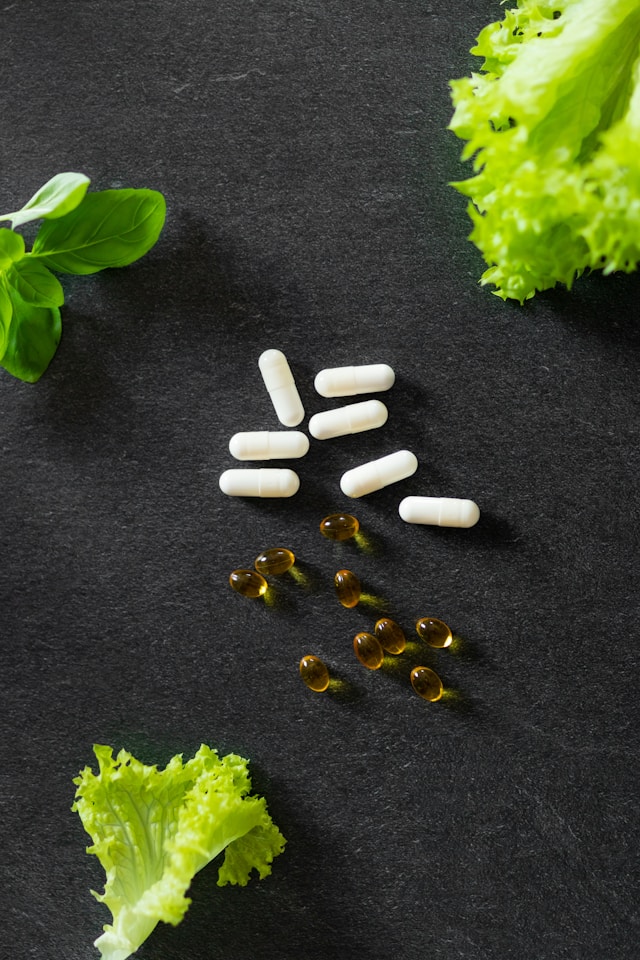
The weight loss industry is bustling with various supplements, each claiming miraculous results. Among these are natural supplements, often marketed as safer alternatives. But how can you discern which are effective and safe? This guide delves into the commonly used natural supplements for weight loss, their efficacy, and safety, helping you make informed decisions.
Common Natural Supplements for Weight Loss
Natural supplements typically come from plant-based sources and have been used traditionally in various cultures. Here, we explore some popular options:
Green Tea Extract
Green tea extract is rich in antioxidants, primarily catechins, which may aid fat oxidation and boost metabolism. Studies suggest that combining green tea extract with regular exercise might enhance fat loss. However, excessive consumption can lead to side effects like insomnia or dizziness due to caffeine content.
Garcinia Cambogia
This tropical fruit contains hydroxycitric acid (HCA), believed to help curb appetite and inhibit fat production. While some research points to modest weight loss benefits, others find no significant effects. Potential side effects include digestive discomfort or headache.
Conjugated Linoleic Acid (CLA)
CLA is a type of polyunsaturated fatty acid found naturally in meat and dairy. It's purported to reduce body fat and increase lean muscle mass. While some studies support its weight-loss benefits, others are inconclusive. Possible side effects include stomach upset or insulin resistance.
Glucomannan
Extracted from the roots of the konjac plant, glucomannan is a dietary fiber known for its ability to absorb water, making you feel full. It may aid weight loss when combined with a healthy diet. Ensure adequate hydration to avoid blockages in the throat or intestines.
Evaluating Supplement Safety
While natural supplements might sound harmless, they aren't free from risks. Here’s how to evaluate their safety:
- Check Clinical Evidence: Look for studies that back up the supplement's weight-loss claims.
- Investigate Side Effects: Understand common side effects by reviewing scientific literature.
- Consult Healthcare Professionals: Talk to a doctor or nutritionist, especially if you have pre-existing health conditions.
A Checklist for Assessing Supplement Quality
Quality assessment of supplements is crucial to ensure efficacy and safety. Use this checklist when choosing a supplement:
- Certification: Check for certifications by reputable organizations like NSF International or USP.
- Ingredient Transparency: Opt for brands that clearly list all ingredients and their concentrations.
- Sourcing Information: Prefer products that disclose sourcing locations and methods for their ingredients.
- Manufacturer Reputation: Research the manufacturer’s history for quality assurance and safety recalls.
A Scenario: Choosing a Green Tea Extract Supplement
Consider Jane, who wants to lose weight and opts for a green tea extract supplement. She follows these steps:
- Researches clinical trials on green tea extract's effectiveness in weight loss.
- Checks for potential interactions with her current medication.
- Looks for certifications on products she considers buying.
- Chooses a brand that provides transparent information about its sourcing and production process.
The Role of Diet and Exercise
No supplement can replace the fundamental pillars of weight loss: a balanced diet and regular physical activity. Supplements may aid the process but should be part of a holistic lifestyle approach.
A practical step is integrating sensible eating habits, such as portion control, and incorporating regular exercise, like daily walks or gym sessions, alongside any supplement use.
Conclusion: Making Informed Choices
In conclusion, while natural supplements can offer assistance in weight loss, it is essential to assess their efficacy and safety critically. Armed with the right knowledge and following a structured checklist, you can make informed decisions that contribute positively to your health journey. Remember, supplements are just one piece of the puzzle; maintaining a healthy lifestyle remains paramount for sustainable weight loss.