A Guide to Choosing Safe Herbal Supplements for Weight Loss
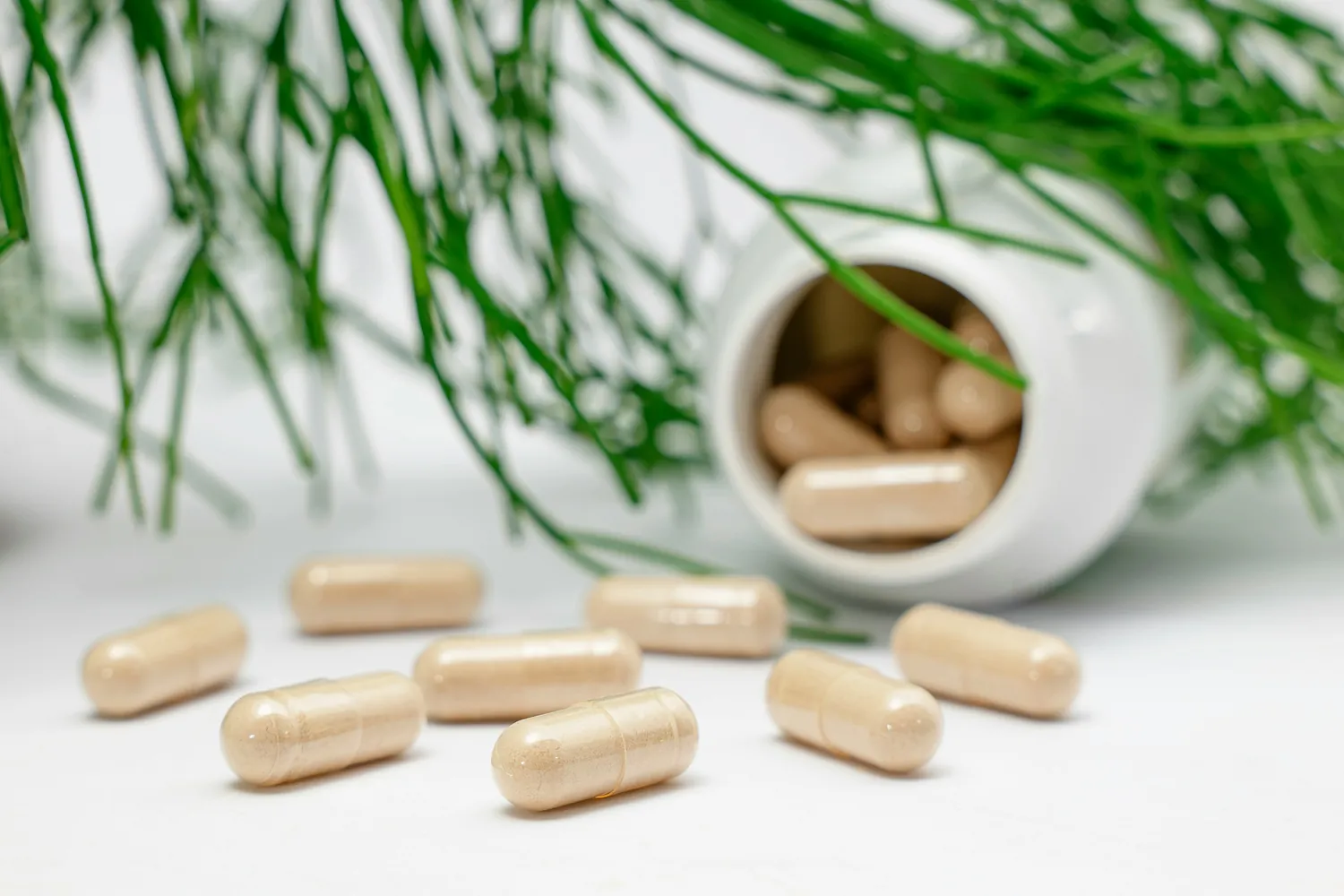
Understanding Herbal Supplements for Weight Loss
Herbal supplements have been promoted as a natural alternative for aiding weight loss, often appealing due to their plant-based origins. However, the market is flooded with products that vary significantly in terms of safety and efficacy. Understanding what these supplements are and how they work is the first step in making informed choices.
What Are Herbal Supplements?
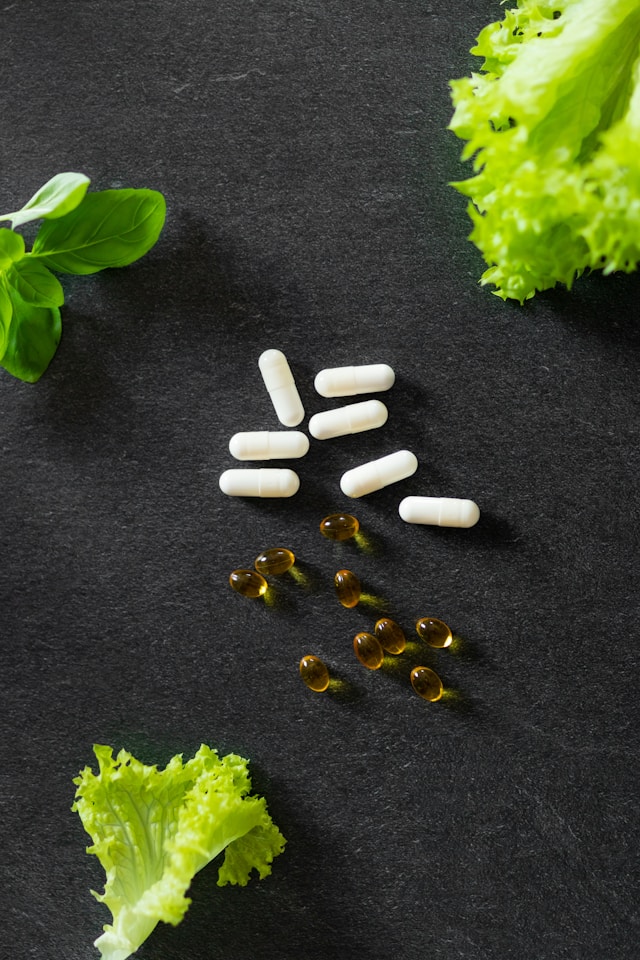
Herbal supplements consist of natural ingredients extracted from plants. They are designed to enhance health by supplementing the diet. In the context of weight loss, these supplements aim to boost metabolism, reduce appetite, or block fat absorption.
Common Ingredients in Weight Loss Supplements
Some of the frequently used herbs include:
- Garcinia Cambogia: Contains hydroxycitric acid (HCA), believed to inhibit fat production.
- Green Tea Extract: Rich in catechins and caffeine, it may increase energy expenditure.
- Conjugated Linoleic Acid (CLA): Found in meat and dairy products, CLA has been shown to reduce body fat.
The Efficacy of Herbal Supplements
The effectiveness of herbal supplements can vary widely based on individual factors such as diet, exercise, and genetics. Scientific research offers mixed results regarding their benefits for weight loss.
Scientific Evidence
While some studies suggest that certain herbal supplements can aid in weight loss, they are often small-scale and short-term. For example, green tea extract has been linked to modest reductions in body weight in some trials. However, others have failed to find significant benefits.
Considerations for Effective Use
When using herbal supplements, it is crucial to integrate them into a holistic lifestyle approach that includes a balanced diet and regular physical activity. Relying solely on supplements without making lifestyle changes often leads to disappointment.
Potential Side Effects and Safety Concerns
While natural, herbal supplements are not free from side effects. It is important to approach them with the same caution as any pharmaceutical product.
Common Side Effects
- Digestive Issues: Ingredients like Garcinia Cambogia can cause nausea and digestive discomfort.
- Caffeine-Related Effects: Green tea extract may lead to insomnia or jitters in sensitive individuals.
Interactions and Contraindications
Herbal supplements can interact with medications or worsen certain health conditions. Consulting with a healthcare professional before starting any supplement regimen is essential, particularly for individuals with underlying health issues or those taking prescription medication.
A Mini-Framework for Choosing Herbal Supplements
This framework will guide you through evaluating herbal supplements safely and effectively.
- Research the Ingredients: Investigate the scientific evidence behind each ingredient's efficacy and safety. Reliable sources include peer-reviewed journals and reputable health websites.
- Assess Your Health Needs: Consider your specific health goals and conditions. Determine if an herbal supplement aligns with your objectives or if there are contraindications.
- Check Product Quality: Look for third-party certifications ensuring product quality and purity. Certifications from NSF International or USP indicate adherence to good manufacturing practices.
- Monitor for Side Effects: Start with a low dose and monitor for any adverse reactions. Keep track of your progress and any side effects experienced.
- Consult a Healthcare Professional: Discuss your plans with a healthcare provider to ensure the supplement fits well within your health regimen.
Conclusion: Making Informed Choices
Navigating the world of herbal supplements for weight loss requires careful consideration of both benefits and risks. By understanding common ingredients, evaluating scientific evidence, and applying a structured decision-making framework, you can make informed choices that support your health and weight loss goals safely.