Practical Steps for Preparing Balanced Lunches That Promote Weight Loss
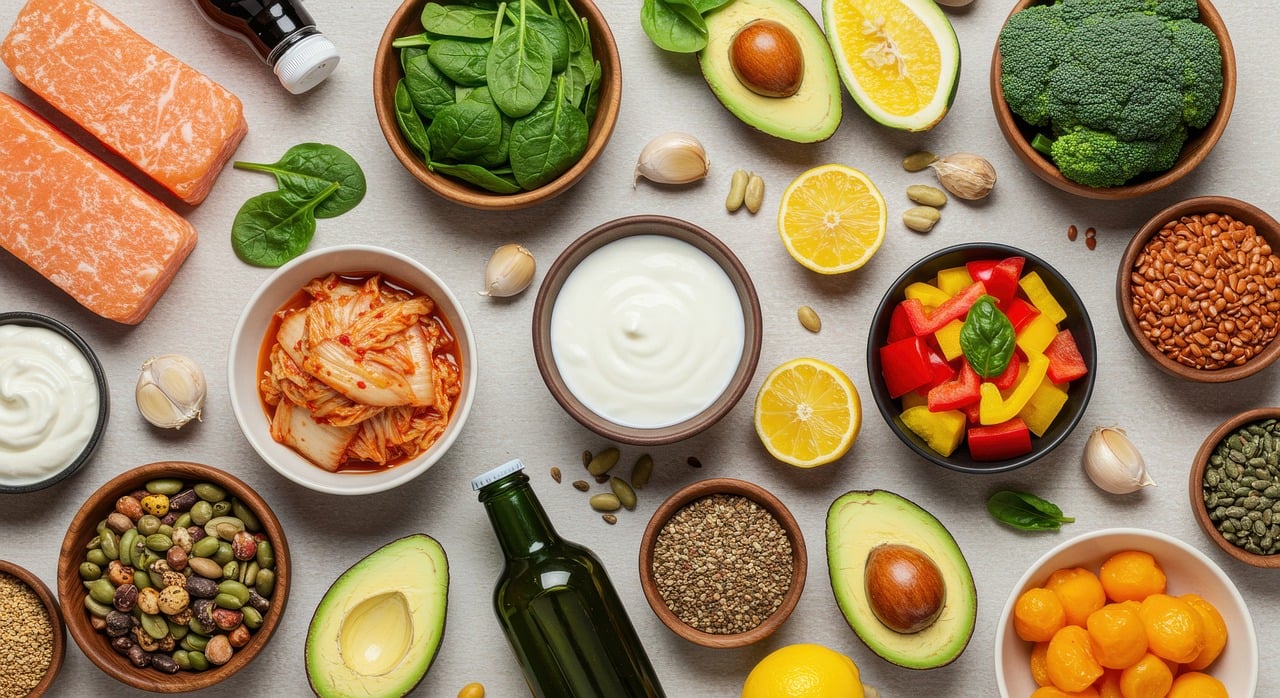
Understanding the Basics of Balanced Lunches
When preparing lunches that support weight loss, it's crucial to focus on balance. A well-rounded meal includes carbohydrates, proteins, and fats, all of which play a unique role in keeping you energized and satisfied throughout the day. In this guide, we will explore how to craft lunches that not only assist with weight management but also nourish your body with essential nutrients.
The Role of Macronutrients
- Carbohydrates: These are your body's primary energy source. Opt for complex carbs like whole grains, which digest slowly and keep you feeling full longer.
- Proteins: Essential for muscle repair and growth, proteins also help maintain satiety. Lean meats, beans, and legumes are excellent sources.
- Fats: Healthy fats are vital for brain function and hormone production. Include sources like avocados, nuts, and olive oil in your meals.
Planning Your Weekly Lunch Menu
To successfully integrate balanced meals into your routine, it's beneficial to plan ahead. This approach helps you maintain control over portion sizes and food quality. Here's a step-by-step guide to planning your lunches for the week:
Step 1: Create a Weekly Menu
Design a menu featuring diverse options to prevent mealtime monotony. Aim for a mix of flavors and textures while keeping portion control in mind. An example menu might include:
- Monday: Grilled chicken with quinoa and roasted vegetables
- Tuesday: Turkey and spinach wraps with hummus
- Wednesday: Lentil salad with diced cucumbers and cherry tomatoes
- Thursday: Baked salmon with brown rice and steamed broccoli
- Friday: Black bean tacos with avocado and salsa
Step 2: Compile a Shopping List
After finalizing your menu, list all ingredients you’ll need for the week. Organize your list by store section to make shopping more efficient. For instance:
- Produce: Spinach, cherry tomatoes, cucumbers, broccoli, avocados
- Proteins: Chicken breasts, turkey slices, salmon fillets, black beans
- Whole Grains: Quinoa, brown rice, whole grain wraps
- Dairy/Alternatives: Greek yogurt (for dressings), cheese
The Meal Prep Process: Efficient and Effective Strategies
Meal prepping can save time and reduce daily stress about what to eat. Follow these steps to streamline the process:
Step 1: Set Aside Time for Prep
Select a time during the weekend to prep your meals. Dedicating a few hours to cooking will free up time during the week.
Step 2: Batch Cooking Techniques
Cook large quantities of grains and proteins that can be used in multiple meals. For instance, prepare a batch of quinoa or bake several chicken breasts at once.
Step 3: Portion Control Made Easy
Use measuring cups or a kitchen scale to divide your meals into appropriate portions. Store each portion in separate containers to grab and go easily.
A Sample Preparation Timeline
A well-structured timeline can help keep you organized during meal prep. Here's an example schedule to follow:
- Saturdays: Plan menus and complete grocery shopping.
- Sundays: Cook grains and proteins, wash and chop vegetables.
The Importance of Consistency
Consistency is key in any weight loss journey. By committing to regular meal prep, you'll be better prepared to stick to your dietary goals without succumbing to unhealthy convenience foods.
Navigating Common Challenges
No plan is without its challenges. Here are some common hurdles people face when meal prepping and strategies to overcome them:
- Lack of Time: Consider splitting the prep process into two shorter sessions rather than one long session.
- Boredom with Meals: Experiment with spices and sauces to add variety without extra calories.
Your Reusable Mini-Framework for Success
This reusable mini-framework will help you consistently create balanced lunches that support weight loss:
- Create a diverse weekly menu emphasizing whole foods.
- Write a detailed shopping list organized by category.
- Select a dedicated meal prep day each week.
- Batch cook core ingredients like grains and proteins.
- Portion out meals for the week using containers.
This framework is designed to integrate seamlessly into your lifestyle, making it easier to sustain healthy eating habits long-term.