How to Create Nutritious Meal Plans that Aid Weight Loss
Crafting a Meal Plan for Weight Loss Success
Embarking on a weight loss journey can be daunting, but a well-crafted meal plan can make it manageable and even enjoyable. A successful meal plan focuses on nutritious, whole foods, portion control, and diversity to keep your palate entertained and your body nourished.
The Importance of Whole Ingredients
Incorporating whole ingredients into your meal plan is crucial for weight loss. These foods are minimally processed, retaining most of their nutritional value. Consider whole grains like quinoa or brown rice, fresh fruits and vegetables, lean proteins such as chicken or tofu, and healthy fats from sources like avocados and nuts.
Batch Cooking: A Time-Saving Strategy
Batch cooking is the practice of preparing large quantities of food at once, which can then be stored and used throughout the week. This approach saves time and ensures you always have a healthy meal ready, reducing the temptation of ordering unhealthy takeout.
- Example Workflow: Set aside a few hours on the weekend to cook multiple dishes. For instance, you can roast a batch of vegetables, grill chicken breasts, and cook a pot of quinoa.
- Storage Tips: Divide meals into individual portions using airtight containers. Refrigerate meals you'll eat within a few days and freeze the rest for later in the week.
Designing Your Weekly Meal Plan
A diverse meal plan prevents monotony and ensures you consume a broad range of nutrients. Start by selecting recipes for each meal type (breakfast, lunch, dinner) that meet your caloric needs. Online tools can help calculate your daily caloric requirements based on activity level, age, and weight loss goals.
Breakfast Ideas
- Oatmeal with Fresh Berries: A heart-healthy option rich in fiber. Enhance with chia seeds or a dollop of Greek yogurt for added protein.
- Smoothie Bowls: Blend spinach, bananas, and almond milk for a nutritious start. Top with flaxseeds and sliced almonds for texture.
Lunch Suggestions
- Quinoa Salad: Combine cooked quinoa with cherry tomatoes, cucumbers, and feta cheese. Dress with olive oil and lemon juice for a refreshing taste.
- Grilled Chicken Wraps: Use whole-grain wraps filled with grilled chicken, mixed greens, and hummus.
Dinner Options
- Baked Salmon with Vegetables: A balanced meal rich in omega-3 fatty acids. Pair with steamed broccoli and roasted sweet potatoes.
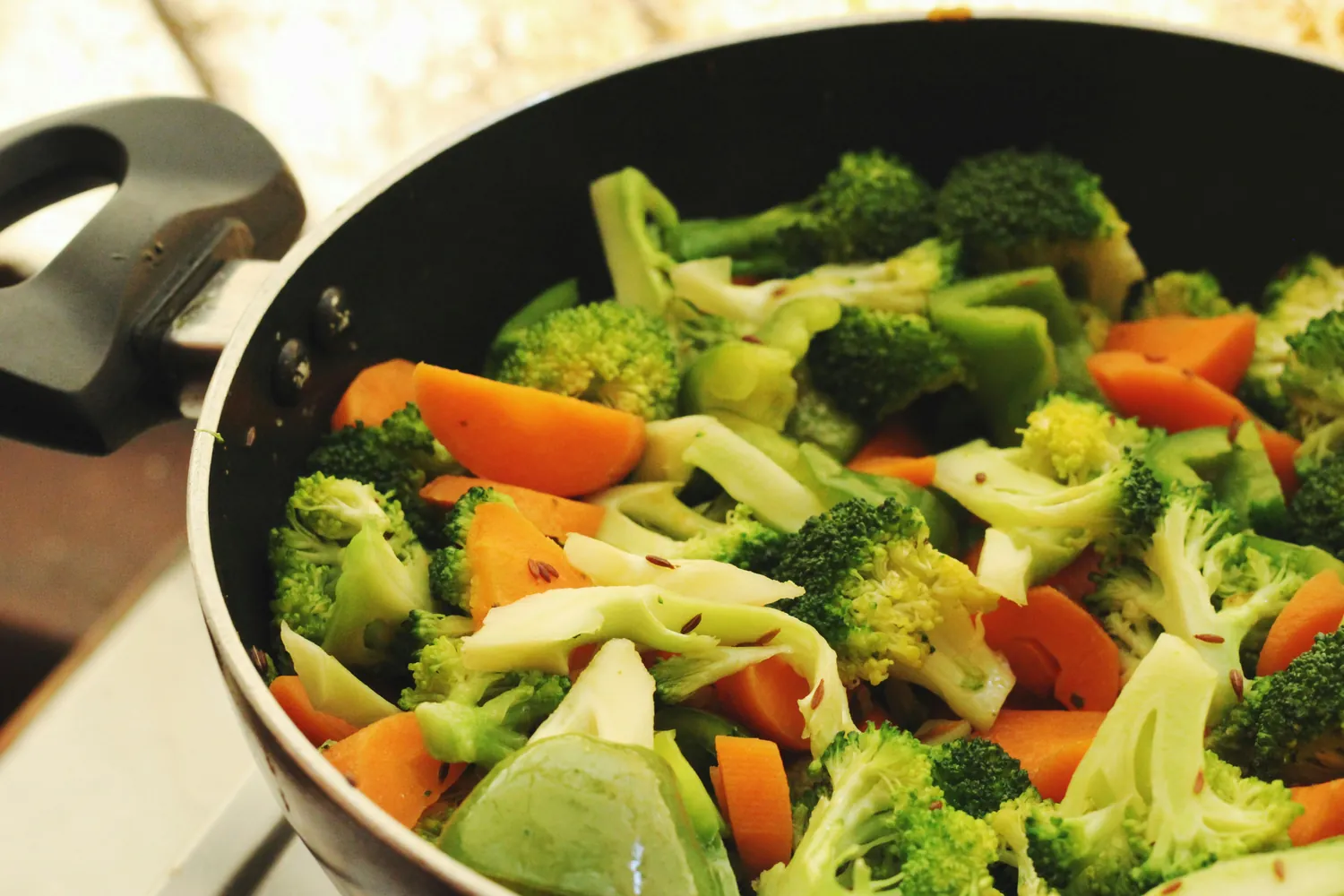
- Vegetable Stir-fry: Quickly cook your favorite veggies in sesame oil and serve over brown rice or noodles for a satisfying meal.
Navigating Nutritional Needs
As you craft your meal plan, pay attention to nutritional balance. Ensure each meal includes a mix of macronutrients (proteins, fats, carbohydrates) to support metabolic health. Additionally, focus on micronutrients—vitamins and minerals essential for overall wellness.
Understanding Portion Sizes
Portion control is key in any weight loss strategy. Even healthy foods can contribute to weight gain if consumed in excess. Use measuring cups or food scales until you're comfortable estimating portion sizes visually. For instance, a serving of protein should be about the size of your palm.
The Role of Hydration
Water intake is often overlooked in weight loss plans. Staying hydrated aids digestion and can curb unnecessary snacking by keeping hunger pangs at bay. Aim for at least eight 8-ounce glasses of water daily, adjusting based on activity level and climate.
Meal Prep: Tips for Success
Consistency is vital for success in meal prepping. Set a regular schedule to ensure you always have healthy meals available:
- Create a Grocery List: Plan your week's meals and list all necessary ingredients. This reduces shopping time and helps avoid impulse purchases.
- Select Versatile Ingredients: Choose foods that can be used across multiple dishes to save money and reduce waste.
Troubleshooting Common Challenges
- If meals feel bland, experiment with herbs and spices instead of salt to enhance flavor without adding extra calories.
- If boredom strikes, swap recipes monthly to introduce new flavors and cuisines.
Sustaining Motivation
A significant challenge in weight loss journeys is maintaining motivation. Celebrate small victories like trying new recipes or sticking to the meal plan consistently for a week. Joining a community, either online or locally, can provide support and accountability.
Your path to weight loss through meal prepping should feel empowering. Enjoy the process of discovering new tastes and fueling your body with nutritious choices!