Healthy Weight Loss Meals: Simplifying Batch Cooking Methods
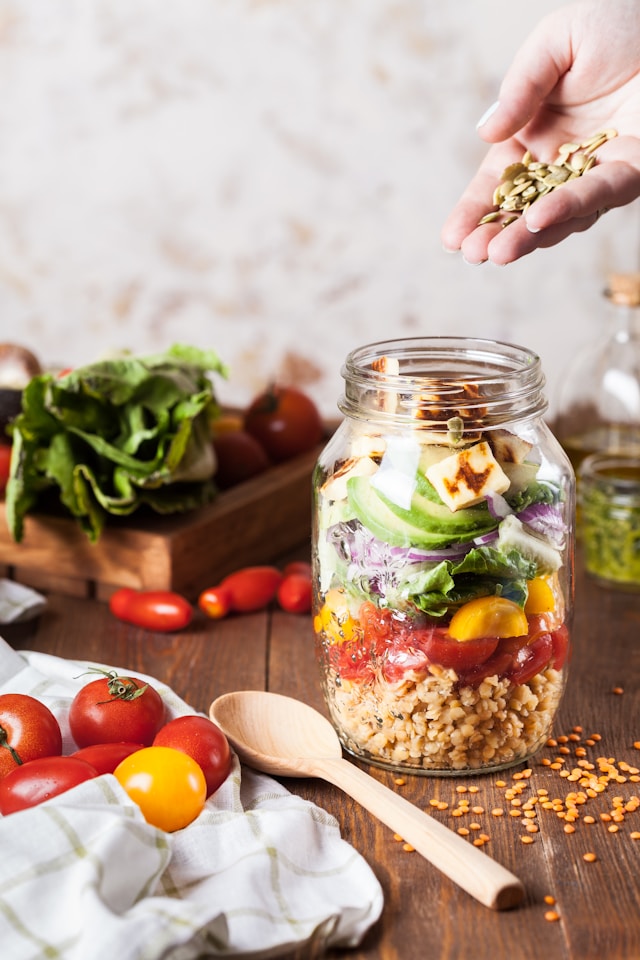
Batch Cooking: A Foundation for Consistent Healthy Eating
Batch cooking is a powerful strategy for those seeking to lose weight through structured meal prep. The process involves preparing meals in bulk, ensuring you have healthy options readily available throughout the week. This not only saves time and reduces stress but also helps control portion sizes and nutritional content.
There are several methods of batch cooking, each with its unique advantages and considerations. Whether you're new to meal prep or looking to optimize your routine, understanding these methods can help tailor a strategy that suits your lifestyle and weight loss goals.
Method 1: Traditional Batch Cooking
Traditional batch cooking involves preparing multiple servings of a few key dishes that can be mixed and matched throughout the week. This approach is ideal for those who enjoy variety yet need structure to maintain their diet plans.
Pros
- Variety: Preparing multiple dishes allows for a diverse menu, reducing meal fatigue.
- Efficiency: Cooking in bulk reduces daily cooking time and minimizes kitchen clean-up.
- Cost-effective: Purchasing ingredients in larger quantities can lower food costs.
Cons
- Time investment: Requires a substantial upfront time commitment during the initial cooking session.
- Storage space: Bulk cooking needs ample refrigerator or freezer space for storage.
Example Workflow
A typical traditional batch cooking session might include grilling chicken breasts, roasting a variety of vegetables, and preparing a large pot of quinoa or brown rice. These components can be combined in different ways throughout the week to create balanced meals such as grilled chicken and quinoa salad, or roasted vegetable and rice bowls.
Method 2: Ingredient Batch Cooking
Ingredient batch cooking focuses on preparing individual ingredients rather than entire meals. This method offers maximum flexibility as you can quickly assemble meals based on cravings or specific dietary needs at the moment.
Pros
- Flexibility: Allows for spontaneous meal creation and customization.
- Diverse meals: The same set of prepped ingredients can be used in a multitude of recipes.
Cons
- Decision fatigue: Daily decision-making on meals may overwhelm some individuals.
- Not ideal for beginners: Those new to meal prepping might find this method less straightforward.
Example Workflow
This method involves washing and cutting fresh vegetables like bell peppers, onions, and broccoli; cooking proteins such as lentils or baked tofu; and preparing staple grains like farro or couscous. Each day, combine these ingredients to fit different culinary profiles — Asian stir-fry, Mediterranean bowls, or Mexican-style wraps.
Method 3: Freezer Meal Prep
Freezer meal prep is about preparing complete meals that can be frozen and reheated when needed. It's especially beneficial for those with unpredictable schedules who need nutritious meals quickly.
Pros
- Long shelf-life: Meals can be stored for weeks, reducing food waste.
- Convenience: Minimal daily preparation required; just reheat and eat.
Cons
- Texture changes: Some foods might change texture after freezing and thawing.
- Nutritional degradation: Certain nutrients may diminish slightly during freezing and reheating.
Example Workflow
A successful freezer meal prep session could involve making large batches of soups, stews, casseroles, or chilies. Freeze them in portioned containers, labeled with the date. Simply move a container from freezer to fridge a day before consumption to ensure it's thawed and ready to heat.
Nutritional Considerations for Weight Loss
No matter which batch cooking method you choose, it's crucial to prioritize nutritional balance. Each meal should ideally comprise a mix of lean proteins, whole grains, healthy fats, and a variety of colorful vegetables. Aim to limit processed foods and high-calorie dressings or sauces.
For example, instead of using heavy cream in soups, consider alternatives like coconut milk or pureed cauliflower. Replace white rice with quinoa or brown rice for added fiber and nutrients. Incorporate herbs and spices instead of salt to enhance flavors without increasing sodium intake.
Practical Tips for Success
- Create a weekly menu: Plan your meals in advance based on your batch cooking method of choice. This reduces impulsive eating decisions.
- Use portion control containers: Investing in compartmentalized meal prep containers ensures correct portion sizes and a balanced plate.
- Simplify seasoning: Use universal marinades or spice blends across multiple dishes to save time and ensure flavorful meals.
The integration of batch cooking into your weekly routine not only supports weight loss goals by offering structured yet flexible eating options but also significantly enhances overall food management efficiency. Tailor these methods to fit your lifestyle for sustainable, healthy eating habits.