A Nutritional Comparison: Plant-Based and High-Protein Meal Prep Strategies
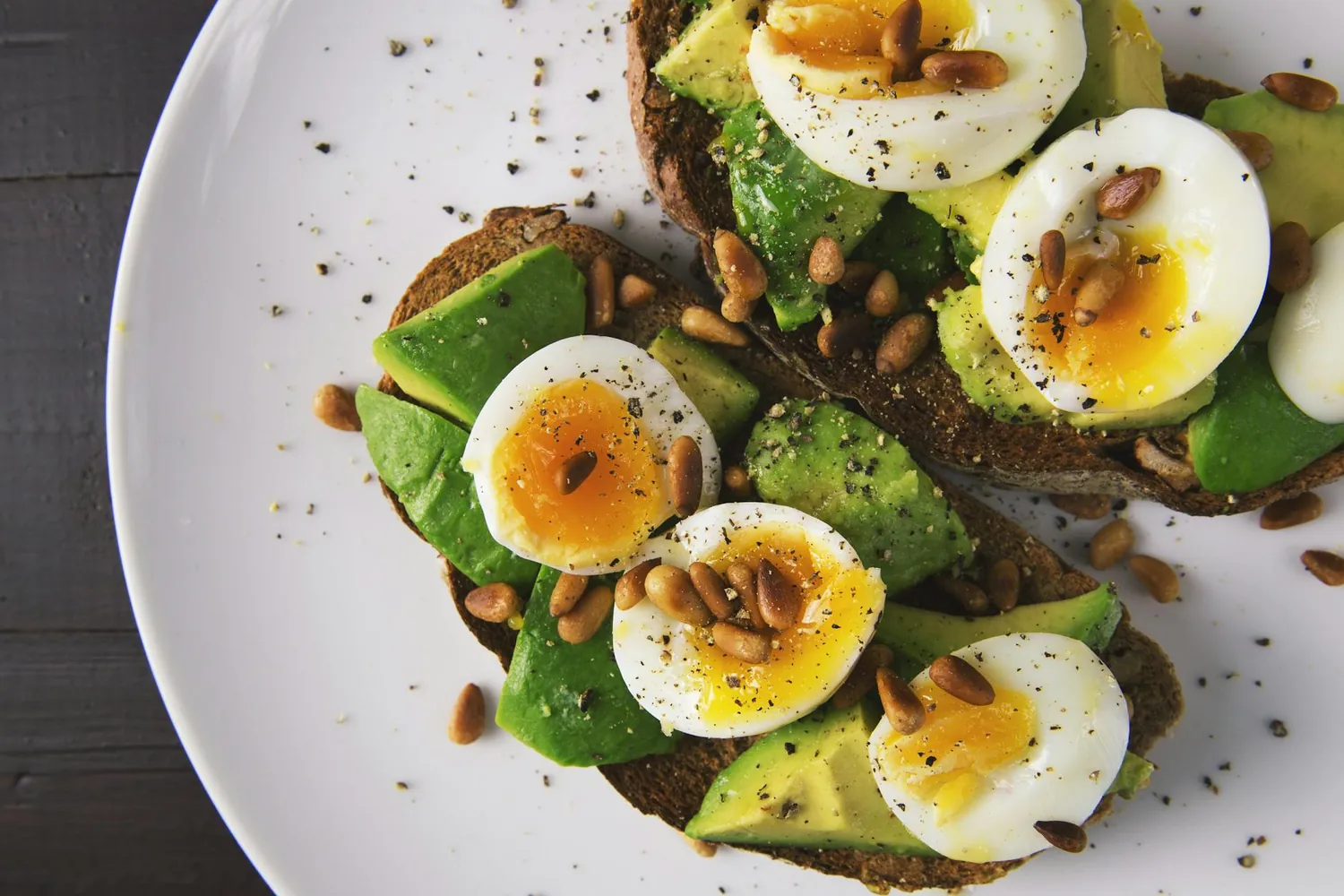
Understanding Plant-Based and High-Protein Diets
In recent years, the popularity of plant-based and high-protein diets has surged, largely due to their perceived benefits for weight loss and overall health. While both strategies offer unique advantages, they differ significantly in their approach to nutrition. This article delves into the specifics of each meal prep strategy, assessing their impact on weight loss, nutrient balance, and sustainability to help you determine the best fit for your dietary goals.
Plant-Based Meal Prep
A plant-based diet primarily focuses on foods derived from plants, including vegetables, grains, nuts, seeds, legumes, and fruits. It limits or entirely excludes animal products, which can include dairy, meat, and eggs. This approach has gained traction for its potential health benefits, such as reducing the risk of chronic diseases and promoting sustainable eating practices.
Plant-based meal prepping involves planning and preparing meals ahead of time that incorporate a variety of plant foods. This can ensure balanced nutrient intake while making it easier to adhere to dietary goals.
- Example Meal: Quinoa salad with black beans, avocado, and a lime-cilantro dressing.
- Nutrient Focus: Emphasizes fiber, vitamins A and C, potassium, and magnesium.
High-Protein Meal Prep
In contrast, a high-protein diet prioritizes protein intake, often through animal sources like meat, fish, and dairy, but also through plant proteins like legumes and soy products. High-protein diets are often chosen for their muscle-building potential and satiating effects, which can aid in weight management by reducing hunger.
Meal prepping for a high-protein diet involves preparing protein-rich meals in advance, ensuring that you have quick access to nutritious options that support muscle maintenance and repair.
- Example Meal: Grilled chicken breast with steamed broccoli and quinoa.
- Nutrient Focus: Prioritizes protein, iron, B vitamins, and omega-3 fatty acids (when fish is included).
The Impact on Weight Loss
Caloric Density and Satiety
One key factor in both meal prep strategies is their effect on caloric density. Plant-based meals often contain fewer calories per serving compared to high-protein meals due to their focus on vegetables and grains. This can be beneficial for weight loss as it allows for larger portion sizes without a significant increase in calorie intake. For example, a bowl of vegetable stir-fry over brown rice may be lower in calories than a beef stir-fry with the same volume.
On the other hand, high-protein meals are known for their satiating properties. Protein takes longer to digest, which can help you feel fuller for longer periods. For instance, having a protein-rich breakfast with eggs can reduce mid-morning snacking compared to a cereal-based breakfast.
Metabolic Advantages
A high-protein diet can increase metabolism through the thermic effect of food (TEF), where your body burns more calories digesting protein than fats or carbohydrates. This metabolic boost can contribute to more effective weight loss over time.
However, a plant-based diet's emphasis on fiber can also enhance metabolic health. Fiber slows digestion and stabilizes blood sugar levels, which can prevent energy spikes and crashes throughout the day.
Nutrient Balance: A Comparative Analysis
Macronutrient Composition
Both meal prep strategies emphasize different macronutrients. Plant-based diets typically focus on carbohydrates (from grains and legumes) and fats (from nuts and seeds), while ensuring adequate protein intake from plant sources like tofu and lentils. On the other hand, high-protein diets are engineered around protein sources but may also incorporate healthy fats from sources like avocados and oils.
The key is balancing these macronutrients to meet individual dietary needs. For instance, athletes or individuals with higher energy requirements might need to adjust their macronutrient ratios accordingly.
Vitamins and Minerals
A diverse plant-based diet is rich in vitamins C and E, folate, magnesium, and potassium. It provides an abundance of antioxidants that can combat inflammation—a common issue in overweight individuals. However, it might lack certain nutrients like vitamin B12, iron, zinc, calcium, and omega-3 fatty acids if not carefully planned.
Conversely, a high-protein diet often ensures sufficient intake of B vitamins (especially B12) and iron due to its reliance on animal products. Nevertheless, it may fall short in providing adequate fiber unless supplemented with ample vegetables and whole grains.
Sustainability Considerations
Environmental Impact
From an environmental standpoint, plant-based diets are often more sustainable. They generally require fewer resources (such as water and land) compared to diets high in animal products. This aspect appeals to those concerned about ecological impacts.
High-protein diets may contribute to higher greenhouse gas emissions due to livestock farming. However, choosing sustainably sourced animal products or incorporating more plant proteins can mitigate some environmental concerns.
Personal Sustainability
Sustainability isn't solely about the planet; it also pertains to how maintainable a diet is for an individual over time. Plant-based diets may be easier to sustain long-term due to their variety and the growing availability of meat alternatives. However, some people find high-protein diets easier to stick with due to the familiarity of foods like chicken and beef.
Choosing the Right Strategy for You
Your choice between a plant-based or high-protein meal prep strategy should align with your personal goals, lifestyle preferences, and health needs. Consider factors such as your activity level, nutritional requirements, ethical beliefs regarding animal consumption, and how easily you adapt to different dietary patterns.
Practical Tips for Implementation
- Experiment: Try different recipes from both approaches before fully committing. Identify what satisfies you most and meets your nutritional needs.
- Plan Ahead: Use a meal prep planner or app to organize your grocery lists and prep days efficiently.
- Diversify Your Plate: Ensure a mix of colors and textures on your plate to keep meals exciting and nutrient-dense.
Whether you opt for the vibrant diversity of plant-based meals or the robust fullness of high-protein dishes, remember that consistency is key. Both strategies can be optimized for weight loss with careful planning and commitment to balanced nutrition.