Real-Life Meal Planning Strategies for Healthy and Sustainable Weight Loss
Understanding the Basics of Meal Planning
Meal planning is a fundamental tool for achieving weight loss goals. It involves organizing your meals ahead of time to ensure you're consuming balanced, nutritious foods without falling into the traps of unhealthy eating. This strategy not only aids in controlling portion sizes but also helps in maintaining consistency, which is crucial for sustainable weight loss.
Why Whole Foods Matter
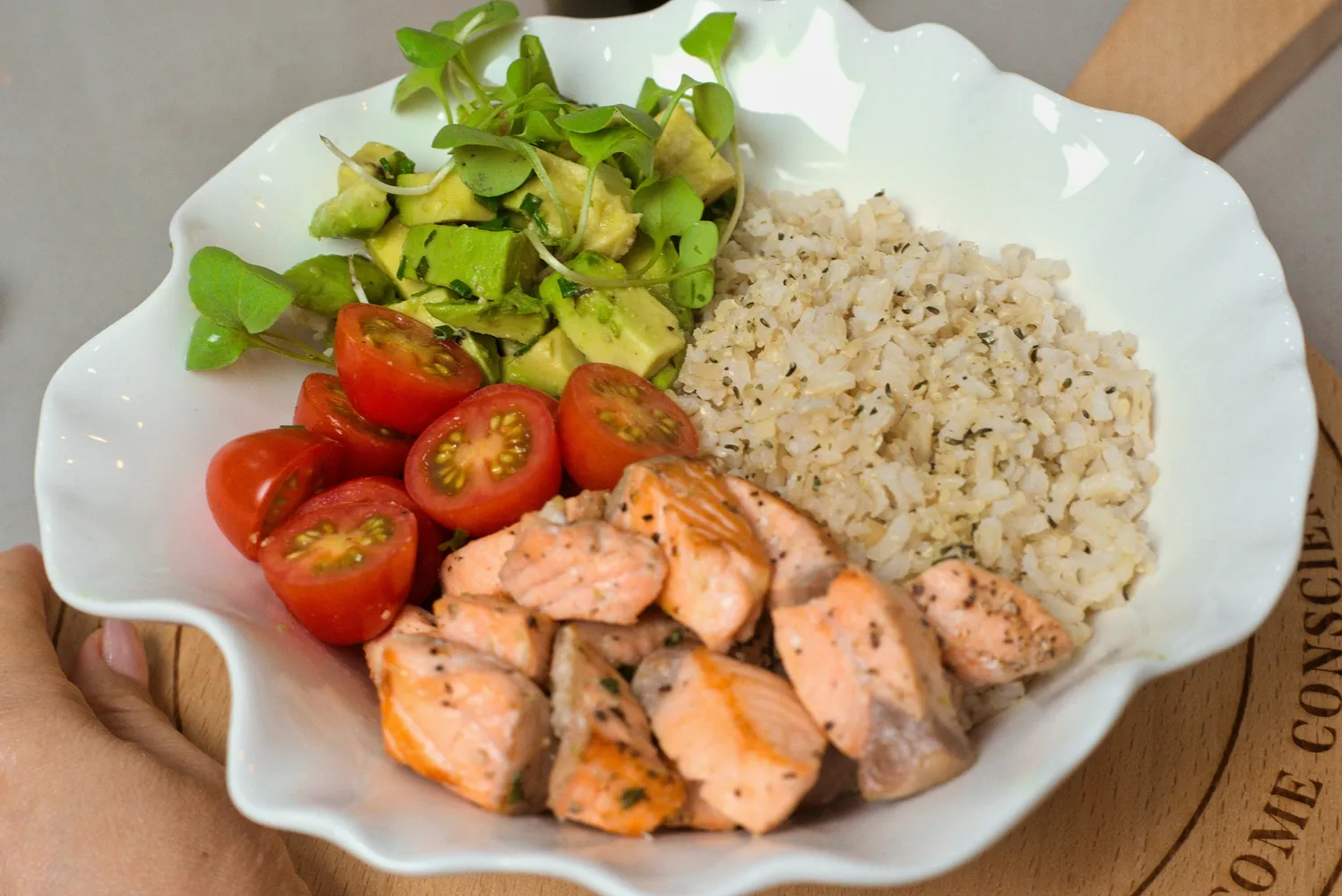
Incorporating whole foods into your meal plan is essential. Whole foods, such as fruits, vegetables, whole grains, and lean proteins, are minimally processed, preserving their natural nutrients. These foods are rich in fiber, vitamins, and minerals, making them ideal for supporting your body’s needs while facilitating weight loss.
Creating Your Customized Meal Plan
Step 1: Assess Your Nutritional Needs
Before diving into meal planning, it's important to understand your nutritional requirements. This varies based on factors such as age, gender, activity level, and personal health goals. Consulting with a nutritionist can provide personalized insights, but general guidelines suggest focusing on macronutrient balance—carbohydrates, proteins, and fats.
Step 2: Set Realistic Goals
Establishing realistic weight loss goals is key to keeping motivation high. Aiming for a gradual loss of 0.5 to 1 kilogram per week is considered healthy and sustainable. Remember, weight loss is a journey, not a race.
Step 3: Plan Balanced Meals
When planning your meals, strive for balance:
- Breakfast: Opt for whole grain options like oatmeal with fruits and a dollop of Greek yogurt for protein.
- Lunch: A salad with mixed greens, a lean protein source like grilled chicken or tofu, and a vinaigrette dressing.
- Dinner: Consider grilled fish with quinoa and steamed vegetables.
Avoid skipping meals as this can lead to overeating later. Instead, focus on three balanced meals with two healthy snacks if needed.
Practical Tips for Meal Prep
The Power of Batch Cooking
Batch cooking is a lifesaver for those with busy schedules. Dedicate a day each week to prepare large quantities of staple items like brown rice, quinoa, roasted vegetables, and proteins such as chicken breasts or chickpeas. Store these in airtight containers to mix and match throughout the week.
Invest in Quality Storage Containers
A well-organized kitchen is essential for successful meal prep. Invest in quality storage containers that are stackable and clear so you can easily identify contents. This not only helps keep the refrigerator organized but also saves time during busy weekdays.
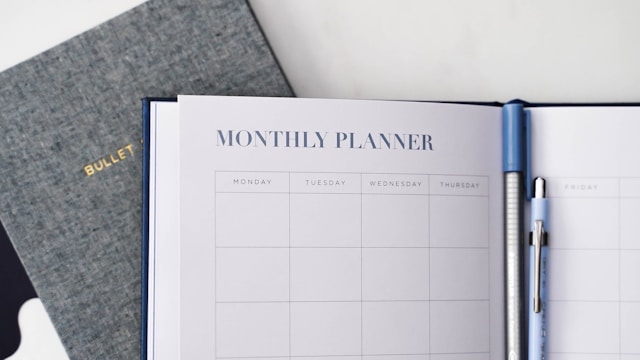
Use a Weekly Meal Planner
Create a weekly meal planner that outlines all your meals and snacks. This visual guide can help you stick to your plan and reduce impulse eating. Additionally, it simplifies grocery shopping by allowing you to buy exactly what you need for the week.
Grocery Shopping Strategies for Success
Make a Detailed Shopping List
A detailed shopping list prevents unnecessary purchases and keeps you focused on buying whole foods. Organize your list by categories—produce, grains, proteins—to make the shopping trip efficient and effective.
Avoid Shopping on an Empty Stomach
This might sound trivial, but shopping when hungry can lead to buying calorie-dense snacks instead of nutritious essentials. Have a light snack before heading to the store to keep your hunger in check.
Explore Local Farmers Markets
If possible, explore local farmers markets for fresh produce. They often offer seasonal fruits and vegetables that are not only fresher but also more nutrient-rich than what's typically found in supermarkets.
Real-Life Case Study: Sarah's Journey
Sarah, a 35-year-old working mother of two, struggled with her weight after her second child. With a hectic schedule, she found it difficult to maintain a healthy diet. Here's how she turned her eating habits around using meal planning strategies:
- Weekly Meal Prep: Every Sunday evening, Sarah dedicates two hours to preparing meals for the week. She cooks large batches of soup, grills chicken breasts, and prepares quinoa salad.
- Family Involvement: To make meal prep more enjoyable, Sarah involves her kids in choosing the menu and helping with simple tasks like washing vegetables.
- Simplified Grocery Trips: With a weekly planner in hand, Sarah has transformed grocery shopping into a quick and focused trip. She sticks to her list and budget by avoiding processed snacks.
After six months of consistent meal planning and mindful eating, Sarah successfully lost 15 kilograms while maintaining her energy levels and improving her family’s overall eating habits.
The Importance of Flexibility
Life is unpredictable, and it’s crucial to remain flexible with your meal plans. Allow room for spontaneity while keeping overall health goals in mind. If an unplanned dinner with friends occurs, enjoy it! Just return to your routine the next day without guilt.
Conclusion: Sustainable Weight Loss is Achievable
By following these structured meal planning strategies centered around whole foods and balanced nutrition, sustainable weight loss is within reach. Remember that consistency is key and small changes over time lead to significant results. Embrace the journey toward a healthier lifestyle with patience and determination.